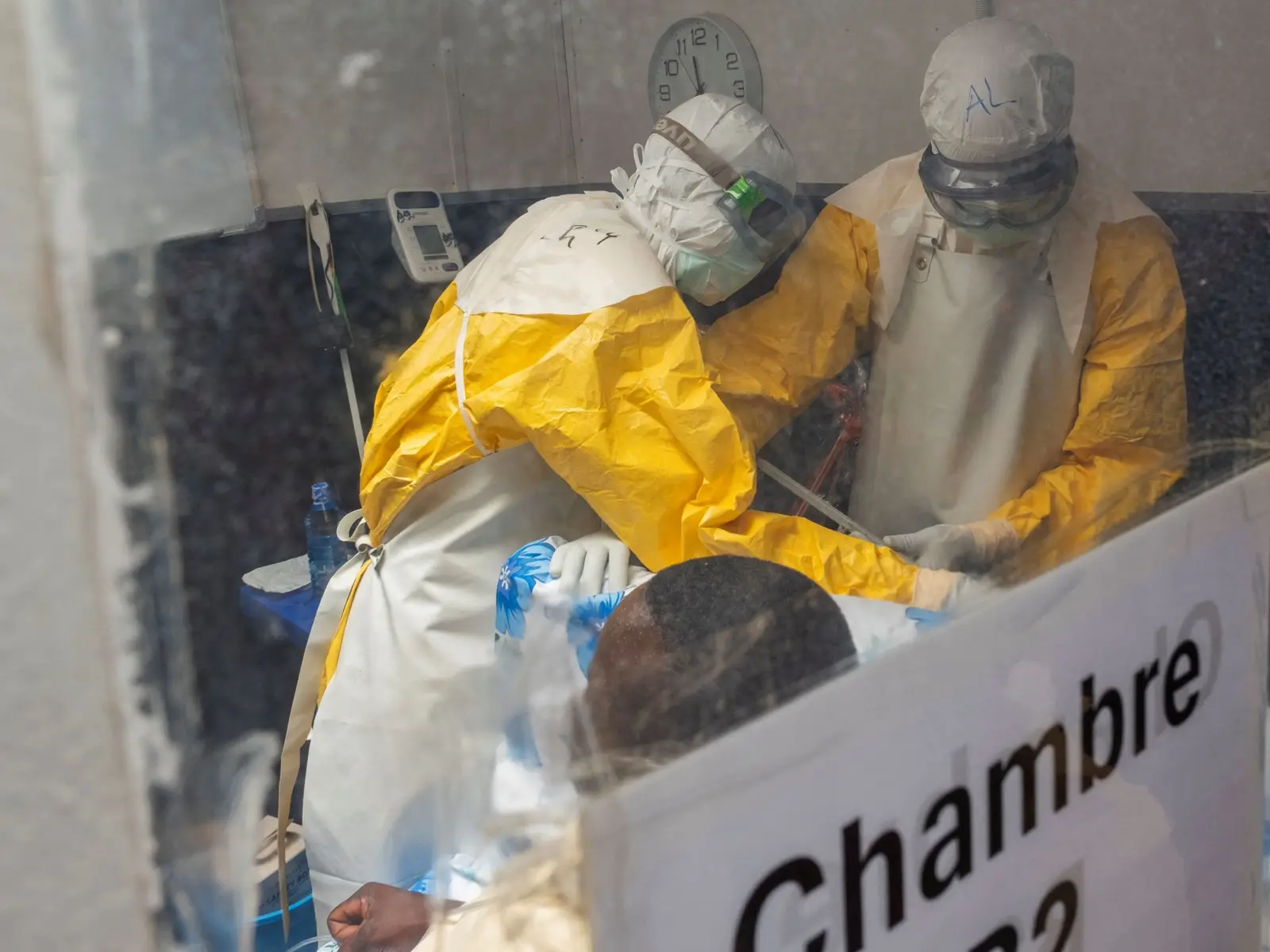
The Democratic Republic of the Congo has recorded more than 8,000 Ebola cases and nearly 4,000 deaths in the worst outbreak in the country's history. According to the latest report from the national public health institute, published on Monday, cases total 8,067 and deaths 3,901, equivalent to a fatality rate of 48.4 percent. The outbreak was officially declared on May 15 and is the 17th in the country's history.
It spread rapidly, with health authorities noting that it involves the Bundibugyo strain of the Ebola virus, for which there is no approved vaccine or treatment. Several treatments and vaccines are being tested, however.
Public distrust and anger over government policies have become a major obstacle to containing the epidemic. On Sunday, in Butembo in North Kivu province, an epicenter of the outbreak, Marie-Célestin Karondwa, a senior official in the ruling UDPS party, was beaten to death. According to health authorities, Karondwa was attacked by residents after appearing on a radio program where he discussed Ebola prevention measures.
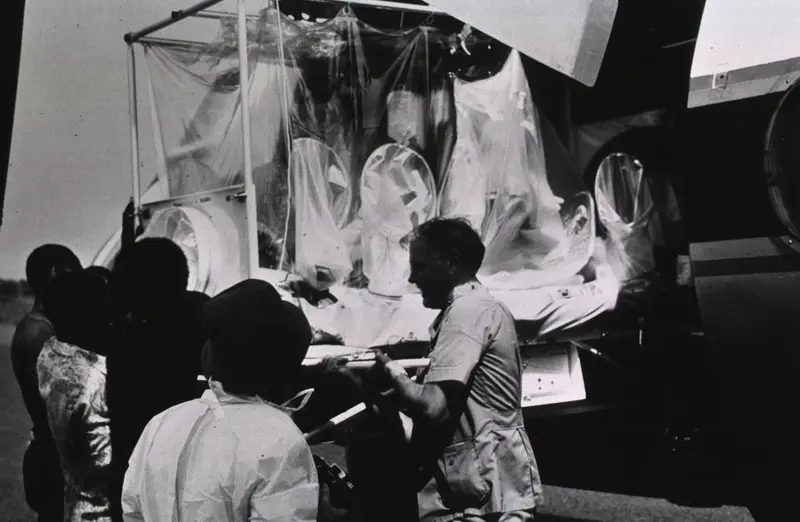
The African health agency Africa CDC says case numbers have stabilized after a period of rapid growth, but still considers the outbreak “not under control.” The World Health Organization, meanwhile, warns that the epidemic is “far from over” and is on track to surpass the 2014–2016 West African outbreak, which killed more than 11,000 people, mainly in Guinea, Liberia and Sierra Leone.
Experts attribute the difficulty of responding to weak health infrastructure, the area's remote geography and ongoing conflicts near the borders with South Sudan, Uganda and Rwanda. These factors have hampered rapid response efforts and increased public distrust of the proposed prevention measures. In the latest report, authorities describe “low capacity” for care at health centers in Ituri province and a “complete lack” of stocks of the experimental vaccine for the Bundibugyo strain in the northeastern province of Tshopo, where cases have been recorded.
The United States announced last week that it is releasing an additional $267 million to fight Ebola, hoping for commitments from other countries as well to reach the $2 billion target.

Comments