The latest positive news bulletin from Fix the News brings together data showing that things are improving on many fronts.
One standout is the effort to tackle lead poisoning, a problem that affects around a billion children, as Pure Earth president Drew McCartor points out. He believes that, after decades without a response, there is now an opportunity to eliminate it for good.
According to the US Centers for Disease Control and Prevention, the share of high school students reporting persistent sadness fell from 42% in 2021 to 33% in 2025, while the share who seriously considered suicide fell from 22% to 14%. Globally, life expectancy reached 73.3 years in 2023, very close to the 73.4 years recorded in 2019, according to the World Health Organization. Noncommunicable diseases now cause 74% of deaths, up from 58% in 2000, while in low-income countries deaths from infectious diseases fell below half of the total for the first time.
In energy, fossil fuel cars fell below half of global sales for the first time, to 49% in the first half of the year, as the crisis in the Strait of Hormuz drove up fuel prices and steered buyers toward electric vehicles. In Brazil, India, Australia and Vietnam, sales of fully electric vehicles doubled from March to June. In Germany, electricity generation from fossil fuels fell by 46% in eight years, from 174.6 terawatt-hours in the first half of 2018 to 94.2 in the first half of 2026, with renewables meeting almost 60% of consumption.
In Australia, the Supreme Court ruled that approval for a coal mine expansion in the Hunter Valley was invalid because emissions from burning the coal overseas had not been considered; the case was won by a small local group led by retired teacher Wendy Wales, who fought for more than four years.
In nature protection, existing commitments are enough to protect 27% of land area by 2030, close to the 30×30 target, while the corresponding figure for oceans is just 12%. In only two years, up to April 2026, around 5 million square kilometers of ocean were protected, and global coverage exceeded 10% for the first time. Germany and the Wyss and Rob Walton foundations announced $300 million for ten African parks over 50 years.
In the Amazon, President Lula’s policies kept at least 20,000 square kilometers of forest standing, while deforestation fell from 11,594 square kilometers in 2022 to 5,731 in 2025. In Ethiopia, 47 billion seedlings have been planted since 2019, and a 2026 study found that around 80% survive, with forest cover rising from 17.2% in 2019 to 23.6% in 2023. In Tibet, antelope numbers rose from around 70,000 to more than 300,000, and wild yak numbers from a few thousand to more than 20,000, thanks to 73 protection stations and more than 700 rangers.
In public health, Rwanda reduced maternal deaths from 203 to 149 per 100,000 births between 2020 and 2025; its 54,000 community health workers now use smartphones with electronic records to flag high-risk pregnancies early, and the share of women receiving at least four prenatal checkups rose from 47% to 78%. Somalia reduced cholera deaths by 93% and reestablished a national medicines regulator after three decades without one. Despite the conflict, Sudan raised coverage of the third dose of the pentavalent vaccine from 38% to 71% within a year, while across the WHO’s Eastern Mediterranean region maternal mortality fell from 191 to 160 deaths per 100,000 births during 2020–2025.
In food security and social protection, Kenya promised free school meals nationwide from 2027; the 2.6 million children currently covered will rise to 10 million by 2030, at an estimated cost of around $310 million a year. In Ghana, average payments under the LEAP cash transfer program rose by 70% between 2024 and 2026, the enrollment cap increased from 350,000 to 450,000 households, and school meals now reach 4.53 million children daily, up from 4.03 million, following a one-third increase in the allowance per meal.
In politics and human rights, the Bangsamoro region in the Philippines held its first elections last month, following a 50-year armed struggle that left more than 120,000 dead; turnout reached 80%, and eleven days later the two sides signed a declaration in Kuala Lumpur committing to implement the 2014 agreement. HALO Trust completed its minefield clearance in Kosovo after 27 years, leaving behind, it says, a country transformed by thousands of local workers. Bulgaria passed a law against lawsuits intended to silence journalists, exceeding the EU’s minimum standards, allowing judges to dismiss baseless lawsuits at an early stage and covering dozens of pending cases.
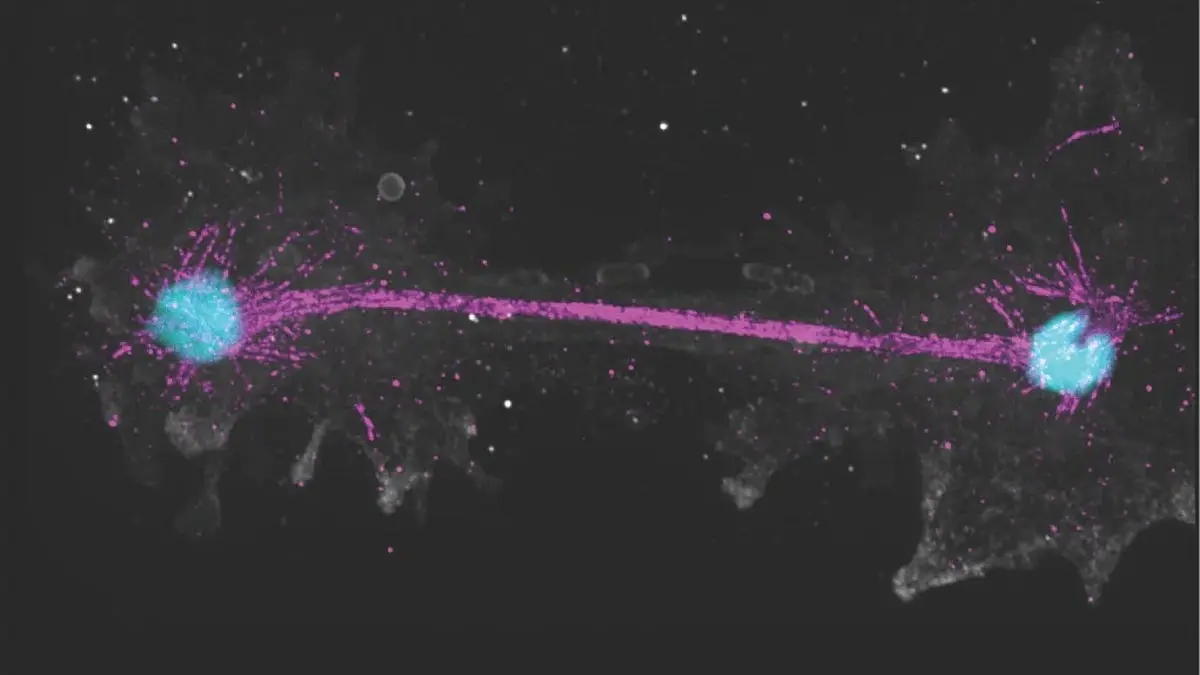
Finally, in science, Syracuse University researchers isolated Incendiamoeba cascadensis from hot waters in California’s Lassen Volcanic National Park, the most heat-tolerant eukaryotic cellular life form ever found. This single-celled creature, an amoeba, continues to divide at 63 degrees Celsius and survives for short periods at 70 degrees, breaking the limit of around 60 degrees previously considered the maximum for cells with a nucleus; its genetic mechanisms could help develop heat-tolerant crops and medicines.
The news that Karl Deisseroth, one of this year’s Nobel laureates in medicine, shared the moment of the announcement with his family closes the bulletin on a human note.



Comments